
Homily For The Fourteenth Sunday after Trinity 2026
In the cleansing of the ten lepers, Jesus reveals the power of faith, obedience, and thanksgiving. Like the Samaritan who returned to glorify God, we are called to awaken from spiritual dullness, recognize the abundance of God’s gifts, and respond with worship, gratitude, and renewed wonder.
Homily For The Thirteen Sunday after Trinity 2026
The parable of the Good Samaritan reveals both the depth of Christ’s mercy toward us and the mercy He calls us to show others. Having been rescued, healed, and given new life in Christ, we are called to become neighbors to those in need.
Homily For the Twelfth Sunday After Trinity
The Law reveals our need, but Jesus Christ brings the greater glory of the New Covenant. Through His righteousness, mercy, and healing power, He makes whole what sin has broken and calls us to trust not in ourselves, but in Him alone.

Homily For The Eleventh Sunday after Trinity 2026
In the parable of the Pharisee and the Publican, Jesus calls us away from comparative righteousness and self-trust toward persistent prayer, humble repentance, and complete dependence upon the mercy of God.

Homily For The Tenth Sunday after Trinity 2026
As Jesus approaches Jerusalem, He weeps over a people who reject Him and do not recognize the source of their peace. Christ’s sorrow reveals His extraordinary love for His enemies and calls us to pray for those who oppose Him, trusting in the same mercy and grace that brought us into His Kingdom.
Homily For The Ninth Sunday after Trinity 2026
Idolatry takes many forms, but at its heart it is the desire for something other than God. In the parable of the prodigal son, both brothers are alienated from their father in different ways. Yet the Father lovingly calls both the rebellious and the self-righteous to repent, come home, and share in his feast.
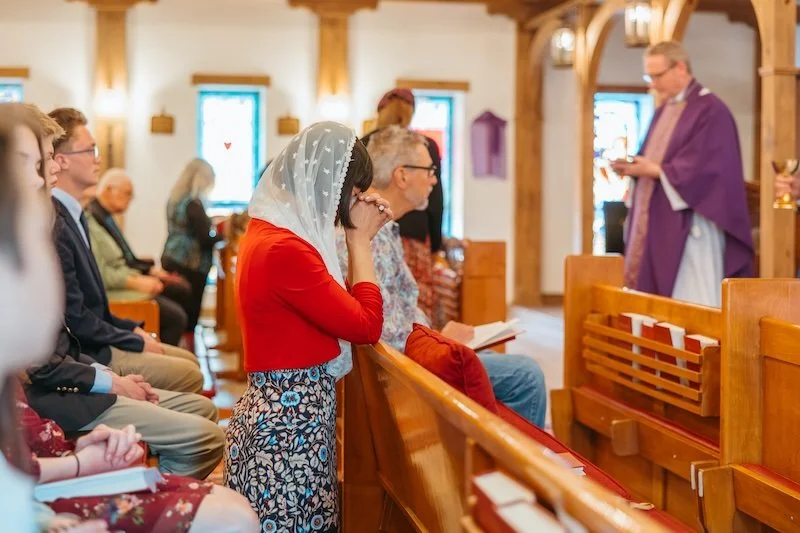
Homily For The Eighth Sunday after Trinity 2026
The Christian faith is more than intellectual assent to true propositions; it is a life transformed by those truths. As adopted sons and daughters of God, Christians are called by the Holy Spirit to mortify sin, grow in holiness, and bear the fruit of loving obedience to the Father’s will.
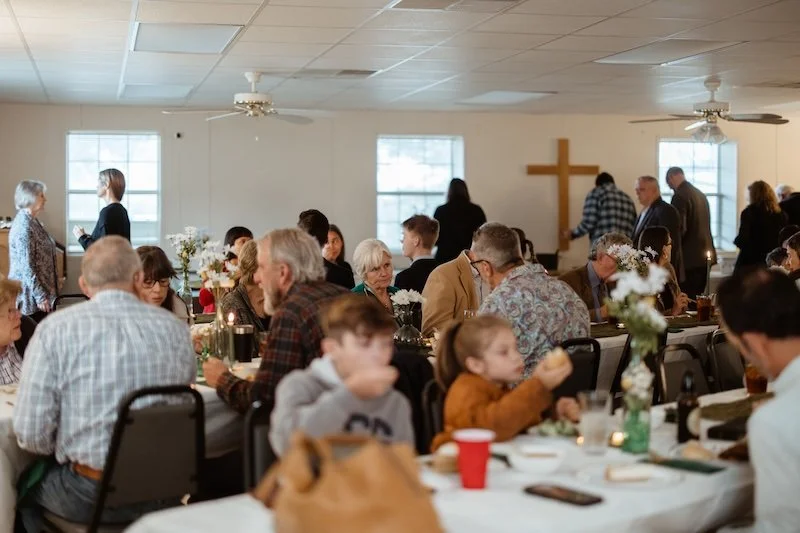
Homily For The Seventh Sunday After Trinity 2026
In the feeding of the 4,000, Christ reveals both the limits of human provision and the abundance of God’s grace. As Israel learned to trust God in the wilderness, we too are sustained by His Word, His Church, and the Holy Communion as we journey toward our heavenly Promised Land.

Homily For The Sixth Sunday After Trinity 2026
As the Church continues through Trinitytide, this sermon examines Christ's call to a righteousness that exceeds that of the scribes and Pharisees. Drawing from Matthew 5 and Romans 6, it shows that true obedience flows not from external conformity but from a transformed heart, united to Christ through Baptism and empowered by the Holy Spirit to bear the fruit of love, mercy, and faithful obedience.