

Homily For The Feast of the Epiphany 2026
Epiphany is the celebration of the manifestation of Christ to the nations. By the leading of a star, God revealed His only-begotten Son to the Gentiles, and they came from the East to worship the true King of Israel. What Israel largely ignored, the nations pursued with zeal. They followed the light they had been given, and God honored their hunger by leading them to Christ.
The same light that guided the Magi later arrested Saul of Tarsus on the road to Damascus. There the risen Lord revealed Himself to the Apostle to the Gentiles and made known the mystery hidden for ages: that Jews and Gentiles are fellow-heirs, members of the same body, and partakers of the same promise in Christ Jesus. This is the unsearchable riches of Christ, the eternal purpose of God now revealed in His Church — a new humanity reconciled through the cross and united in the resurrection.
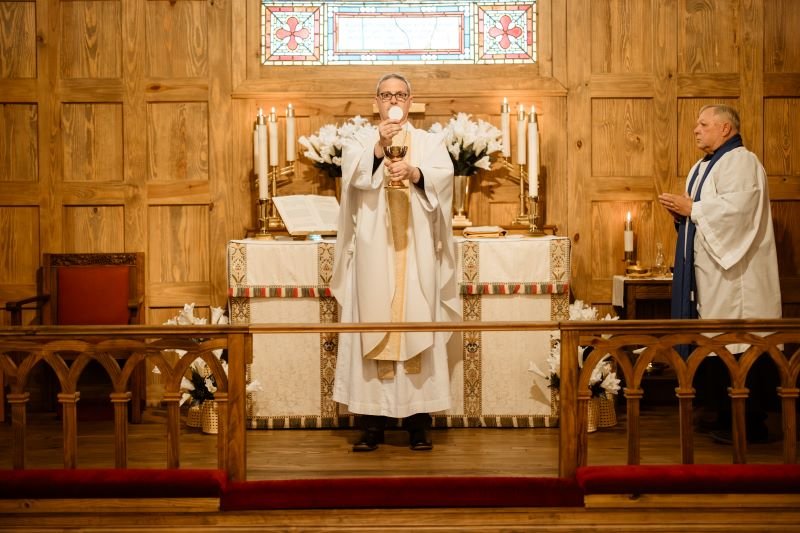
Homily For The Feast of the Circumcision 2026
On the Feast of the Circumcision, the Church begins the civil year by proclaiming Christ’s perfect obedience to the Law on our behalf. In this homily, we reflect on the humility of the Incarnation as Jesus submits to the covenant sign of Israel, shedding His first blood for our redemption. Drawing from the Gospel, Epistle, and Collect, we see how Christ fulfills all righteousness from His earliest days, bearing the Law so that we may be clothed in His righteousness. This feast offers deep encouragement to parents and families, reminding us that God works through simple, faithful obedience—bringing children into His covenant promises and supplying what is lacking by His grace.

Homily For The Feast of Holy Innocents 2025
On the Feast of the Holy Innocents, the Church remembers the children of Bethlehem who died because of Christ and bears witness to God’s sovereignty over even the darkest acts of human violence. This homily reflects on the varied forms of martyrdom celebrated during Christmastide and confronts the ongoing destruction of innocent life in our own day. Drawing from St. Matthew’s Gospel and the prophecy of Jeremiah, we are reminded that God’s purposes cannot be thwarted by earthly power or evil schemes. At the same time, the Church is called not only to defend the unborn, but to proclaim forgiveness, healing, and restoration through Jesus Christ to all who mourn, repent, and seek His mercy.

Homily For the First Sunday After Christmas
In this homily, we explore the biblical meaning of adoption through the Incarnation of Jesus Christ. Drawing from Galatians, St. Matthew’s Gospel, and the Roman understanding of adoption, we see that our salvation is not sentimental or symbolic, but legal and decisive. In Christ, God has already made us His sons and daughters—no longer slaves living in fear, but heirs who belong to the Father by grace. Through baptism, faith, and the gift of the Holy Spirit, our identity is secured, our obedience reshaped by love, and our suffering joined to Christ’s own humility and redemption.
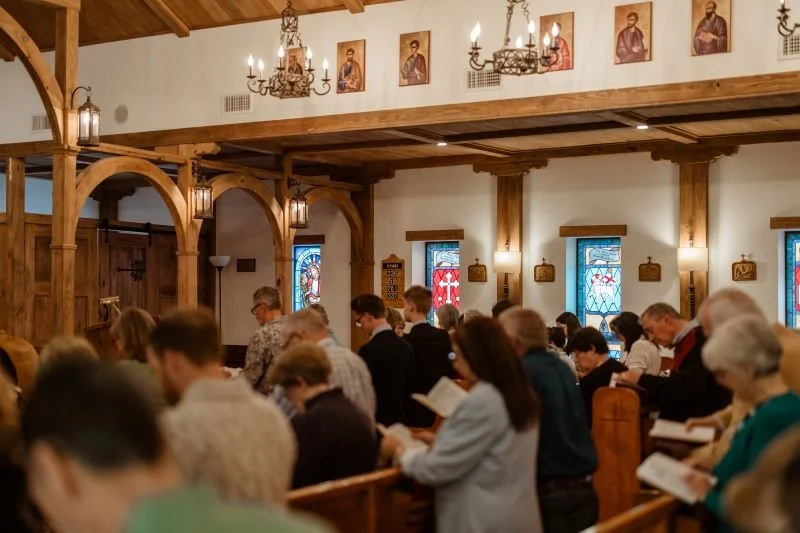
Homily For The Feast of St. John 2025
On the Feast of St. John, the Church reflects on a different kind of martyrdom—the long obedience of a faithful life. While St. John was willing to die for Christ, God appointed him to live, enduring exile, service, and daily surrender. In this homily, we are reminded that discipleship is not measured by comparison or visible sacrifice, but by obedience to Christ’s personal call. Whether through dramatic witness or quiet perseverance, all Christians are called to follow Jesus faithfully, offering their lives as living sacrifices shaped by love, patience, and trust in God’s providence.
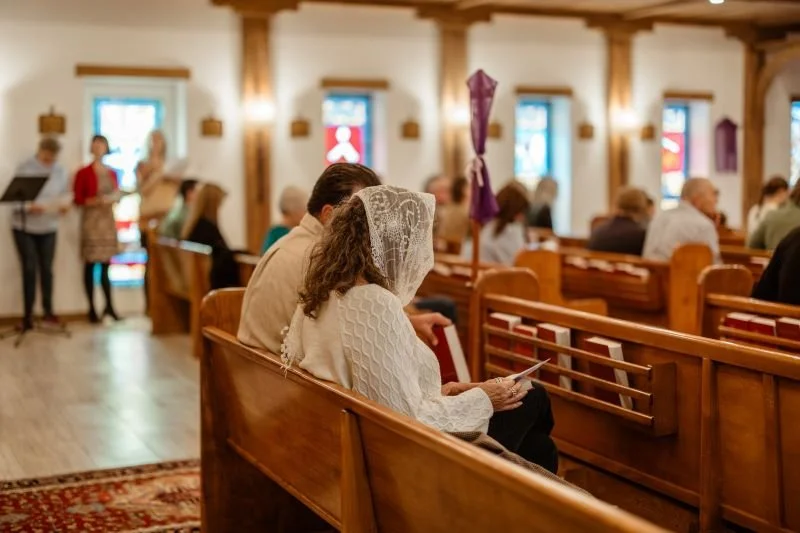
Homily For The Feast of St. Stephen 2025
During Christmastide, the Church holds together the joy of the Incarnation and the costly witness of martyrdom. In this homily, we reflect on the life and death of St. Stephen, the Church’s first martyr, whose faith, courage, and forgiveness flow directly from the risen and ascended Christ. Filled with the Holy Spirit, Stephen proclaims the truth in love, fixes his eyes on Jesus standing in glory, and prays even for his persecutors. His witness reminds us that Christ, born as a child, now reigns as King and Advocate—receiving His faithful servants and using their testimony to bring even hardened sinners to repentance and life.
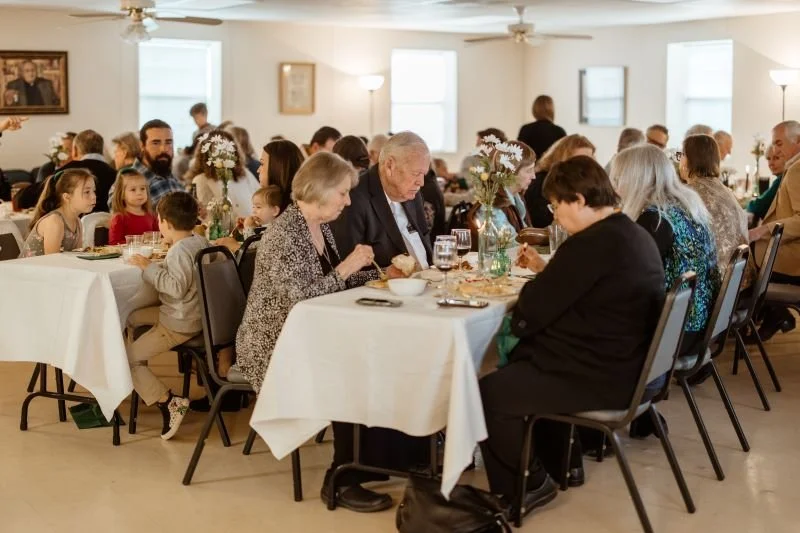
Homily For Christmas Eve
Who may come to Jesus Christ? Drawing from Psalm 24 and the Gospel of Luke, this homily proclaims the good news of Christ’s humble birth and His open invitation to sinners. The angels announce salvation not to kings or priests, but to shepherds—ordinary, despised men who respond in faith and obedience. In the manger, God reveals that no circumstance places one beyond His saving grace. Christ comes to save the poor, the broken, and the repentant, welcoming all who admit their need and trust in Him. This Christmas message calls us to receive the Good News with humility, faith, and joyful confidence in God’s mercy.
Homily For The Second Sunday in Advent 2025
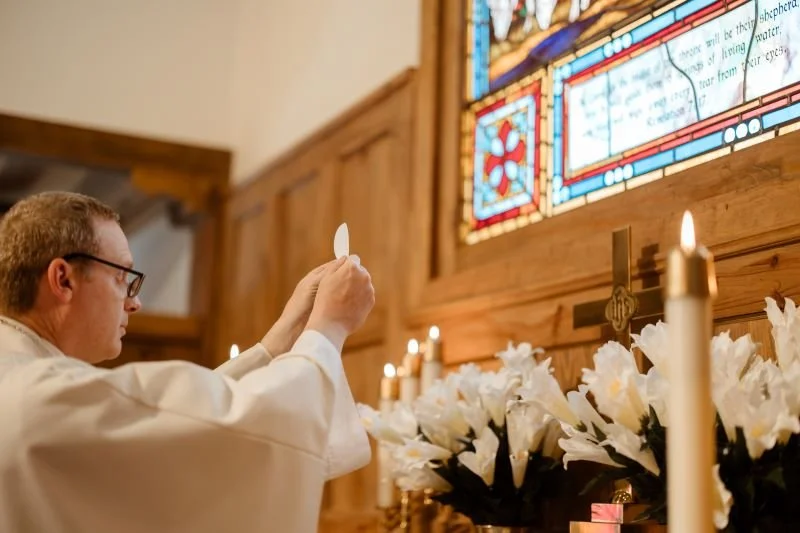
God has graciously given us the Holy Scriptures so that we may be made wise unto salvation, strengthened in hope, and taught how to live faithfully between Christ’s first coming in humility and his return in glory. From Cranmer’s collect to Josiah’s rediscovery of the Law, we are reminded that true renewal begins when God’s Word is heard with a tender heart, humbly received, and faithfully obeyed.
Homily For The First Sunday in Advent 2025
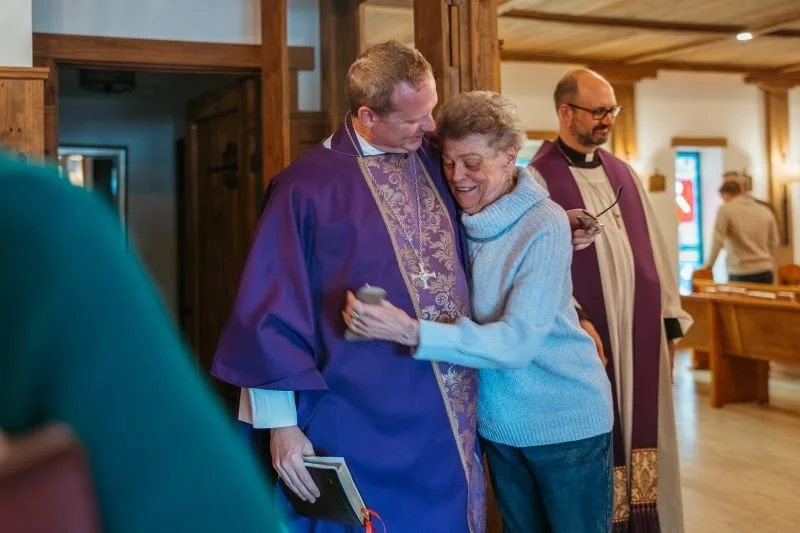
Advent invites us to hold two realities together: the humility of Christ’s birth and the majesty of His coming again. While the world turns to the warmth of Bethlehem, the Church calls us to consider the King who will return in glory. The Child in the manger is the same Lord who entered Jerusalem to suffer for our sake and who will one day judge the living and the dead. St. Paul urges us to wake from spiritual sleep, cast off the works of darkness, and put on the armor of light. Advent summons us to active love, repentance, and readiness—turning from sin and walking in the vows of our baptism as we prepare for the true King’s return.